Teak (tectona grandis) is one of the most in-demand species in the world for outdoor use: garden furniture, decking, shipbuilding… Teak contains natural oil that prevents it from absorbing moisture making it water resistant. After years of weather exposure there is no crack, no movement, no rot.
The best Teak trees in the world are from Myanmar. Everybody knows it. And this was what that made Myanmar Teak to be in danger, especially after the Second World War when there was a serious need for income in the country and a lack of control by the authorities.
During the years of socialist rule in Myanmar, Teak was nationalized as it was one of the major sources of funds for the government. In the 80’s Teak represented one third of the economy of the country. By 1988, the frequency of cuttings increased and with it the rates of forest degradation and deforestation. Several European countries reacted by making a ban on Myanmar Teak but this measure did not stop the logging as the main importers of Teak (India and China) kept increasing their imports.
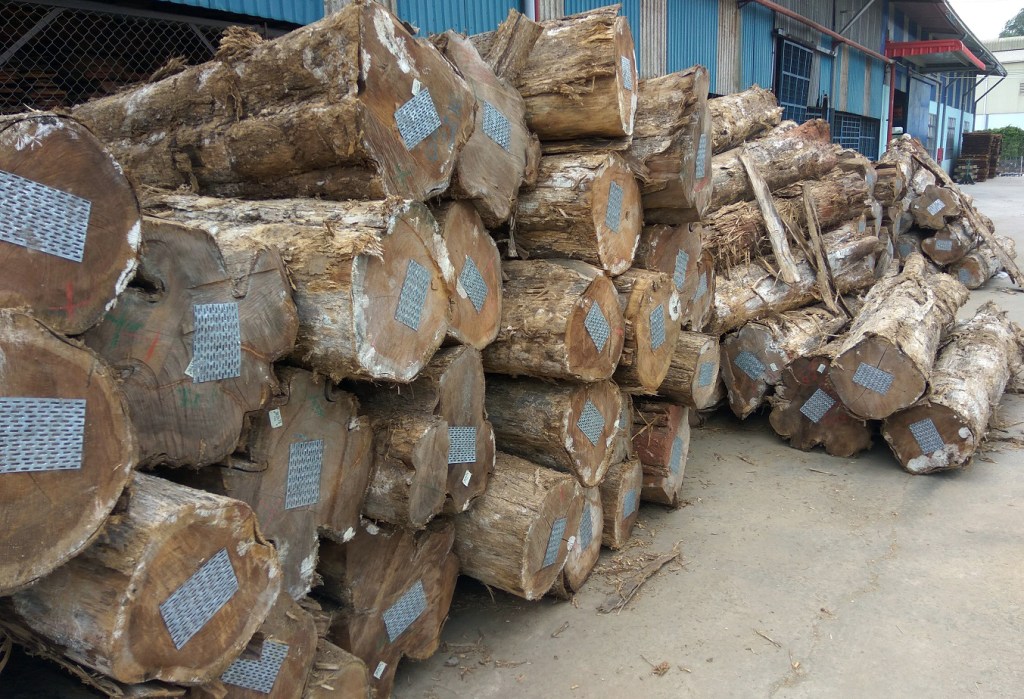
Today, the democratic Myanmar made a ban on export of logs and raw timber. This is a positive measure not only for the forests but also for the local economy that must process the timber before exporting it. Still, illegal loggers keep getting round logs out of the northern regions of Myanmar through the borders to China.
We must let Myanmar Teak plantations recover and this is something that only years of growth and forestry planning can do.
Countries like Laos and Thailand are undertaking massive projects on FSC Teak in the mountains regions but currently those trees are not yet at the commercial age to start harvesting yet.
Where to source Teak responsibly then? The answer is Brazil. FSC Teak plantations have been implemented since more than 50 years ago and are the best solution for the Teak problem today. Buy responsibly. Use FSC Teak.
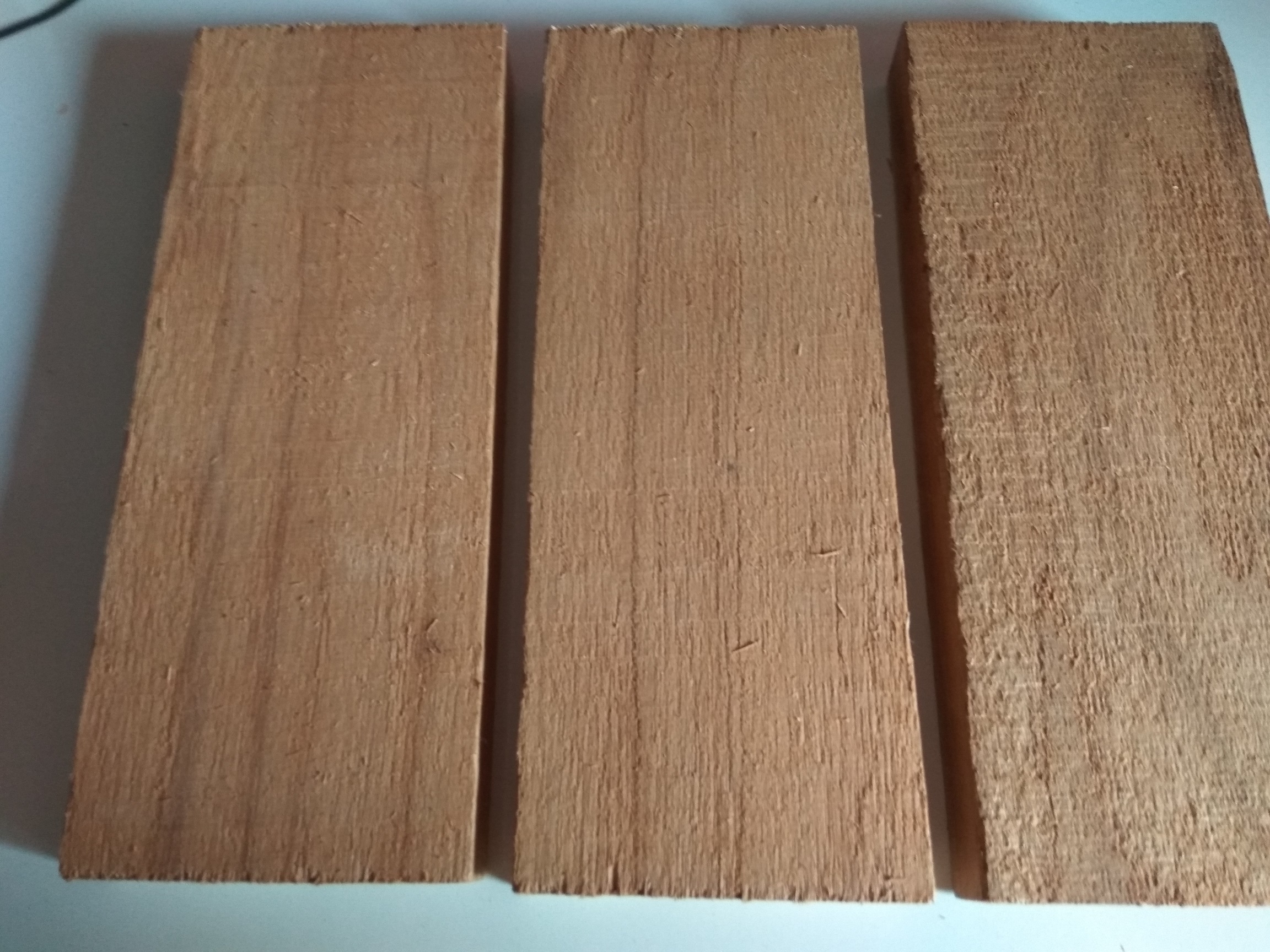
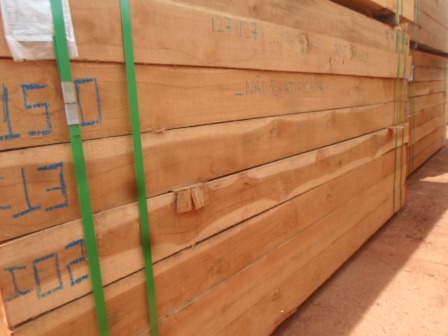
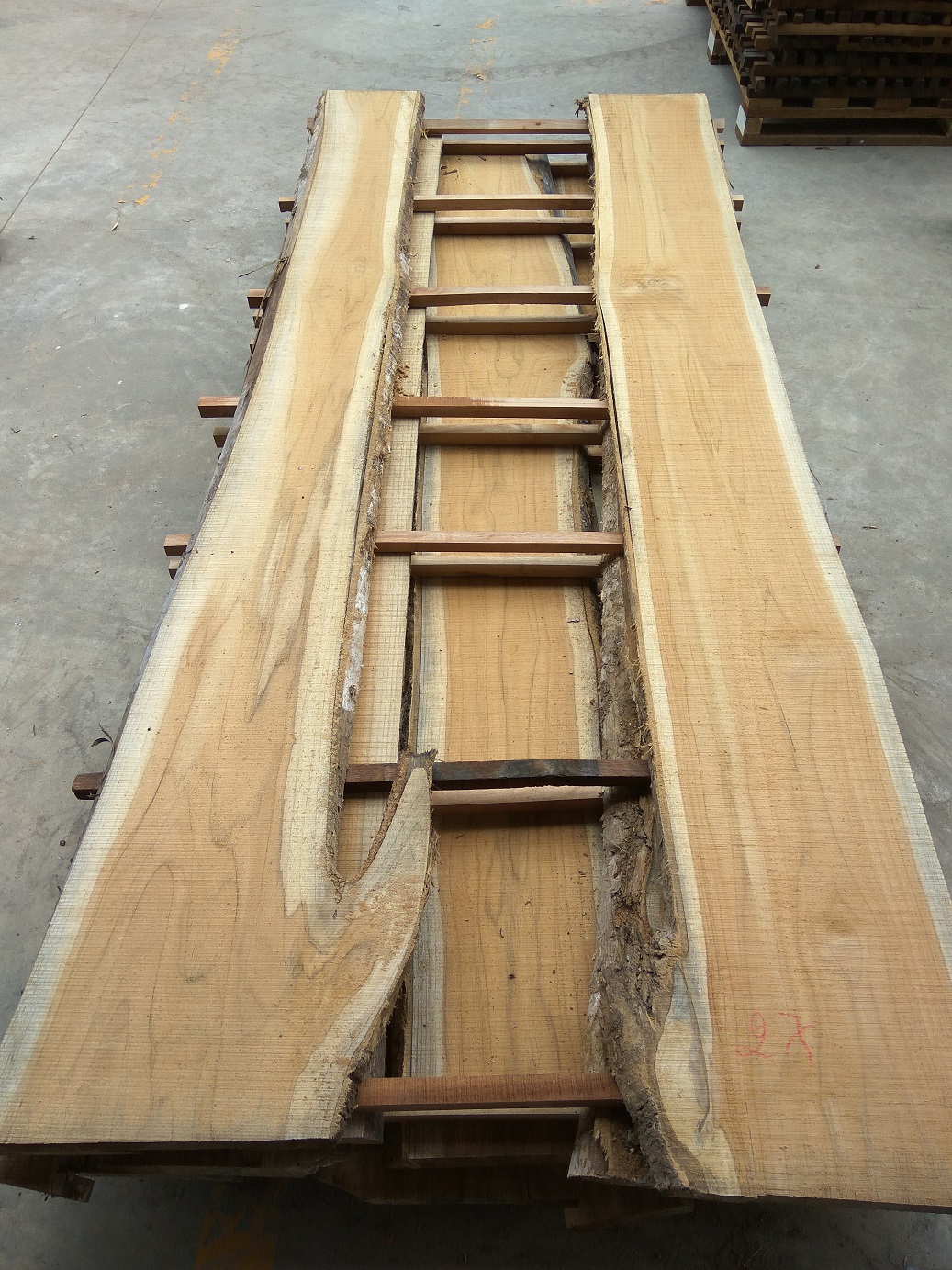
FSC Brazil Teak
 Worldwide sustainable sourcing
You must be logged in to post a comment.